Book an Experience, Plant a Tree
At Te Aratipi, every visit leaves more than a memory.
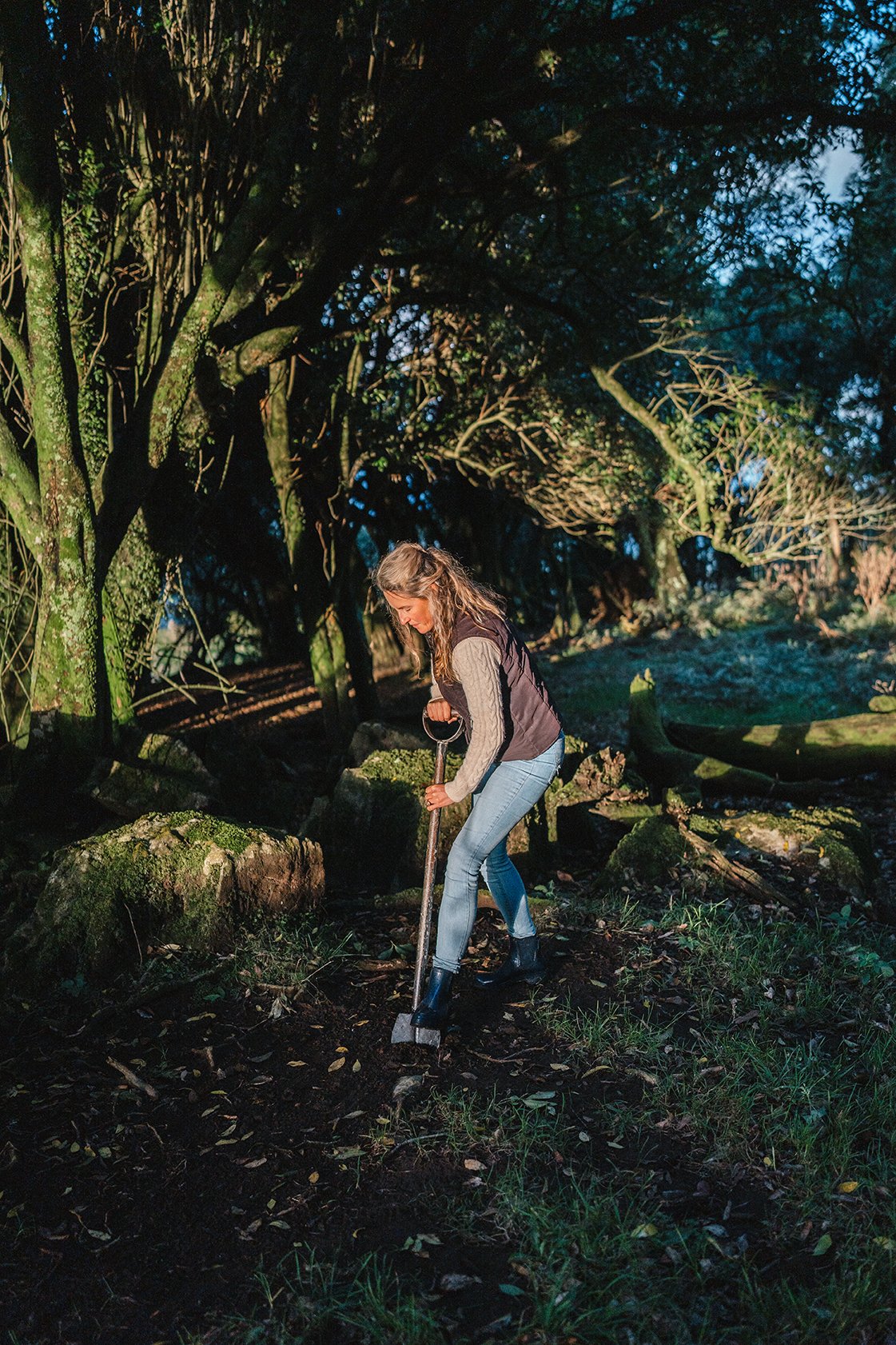
For every experience booked and every stay enjoyed, we plant a native tree on the farm. It's a simple way for guests to become part of Te Aratipi's future while helping restore and protect the landscapes that make this place so special.
This initiative reflects the principle of Kaitiakitanga — the responsibility of caring for the land and ensuring it thrives for future generations. Through native planting, environmental restoration and ongoing stewardship, we are committed to leaving the farm in better shape than we found it.
Every guest becomes part of that journey.
Together, we're growing a legacy that will benefit the land, wildlife and future generations of Te Aratipi.

Matariki Planting Day
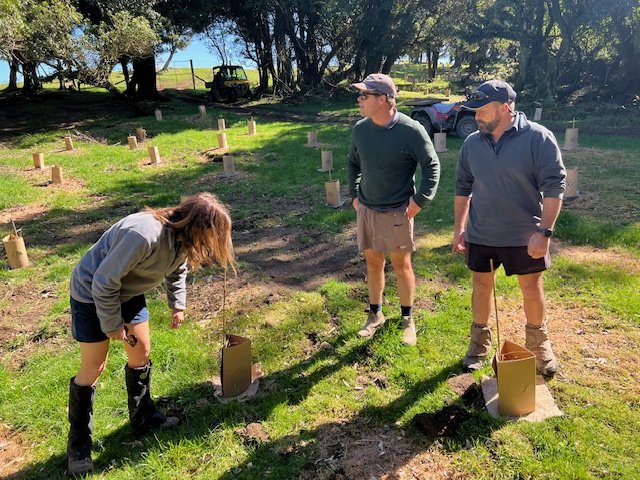
Each year, on the Saturday of Matariki weekend, we invite guests, friends and supporters to join us for a day of native planting on the farm.
Matariki marks the Māori New Year — a time to reflect on the past, celebrate the present and look towards the future. It provides a fitting opportunity to continue our commitment to restoring and protecting the landscapes of Te Aratipi.
Together, we plant hundreds of native trees across the station before gathering to share a long lunch and celebrate the season.
Whether you've visited before or are discovering Te Aratipi for the first time, we'd love you to be part of this growing tradition.
Green projects on the go…

Erosion Control at Te Aratipi
In 2011, a severe storm caused significant erosion damage at Te Aratipi. Interestingly, Cyclone Gabrielle in 2023 resulted in much less impact. Erosion not only decreases farm productivity but also affects regional water quality and biodiversity.
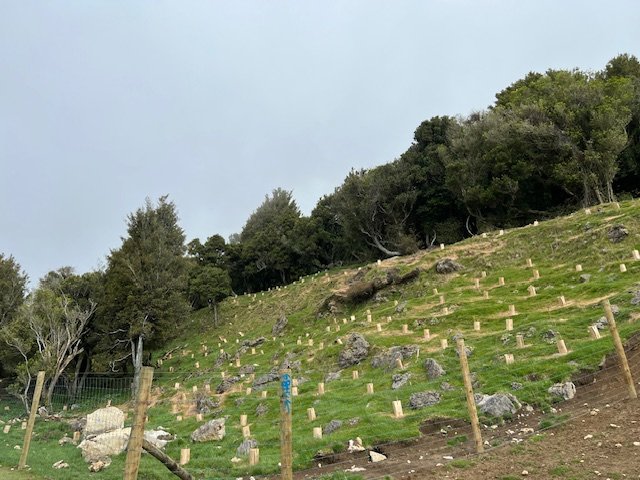
Since 2021, we've partnered with the Hawkes Bay Regional Council’s Erosion Control Scheme, receiving financial support and trees to manage erosion-prone land. By space-planting poplar and willow poles in vulnerable areas, we’ve reduced erosion by up to 80%. These trees, with their high root mass and rapid growth, also improve water quality along our farm’s waterways.
Why Not Native Plants?
Native vegetation traditionally stabilizes New Zealand’s soil, but only a few species rapidly colonize bare soil. As a result, faster-growing exotic species are often used for quick erosion control, while native plants are reserved for areas with specific conservation or aesthetic value.
Although native species may not always be suitable for immediate erosion control, they are effective for stabilizing exposed, stable surfaces and preventing further erosion. Native plants also enhance visual appeal and ecological health, offering long-term resilience that can surpass non-native species.
Currently, we use exotic plants for their rapid establishment. However, native plants will be exclusively utilized in future waterway projects, land retirement projects, and QEII initiatives.
Green projects on the go…

Te Aratipi Bush Conservation
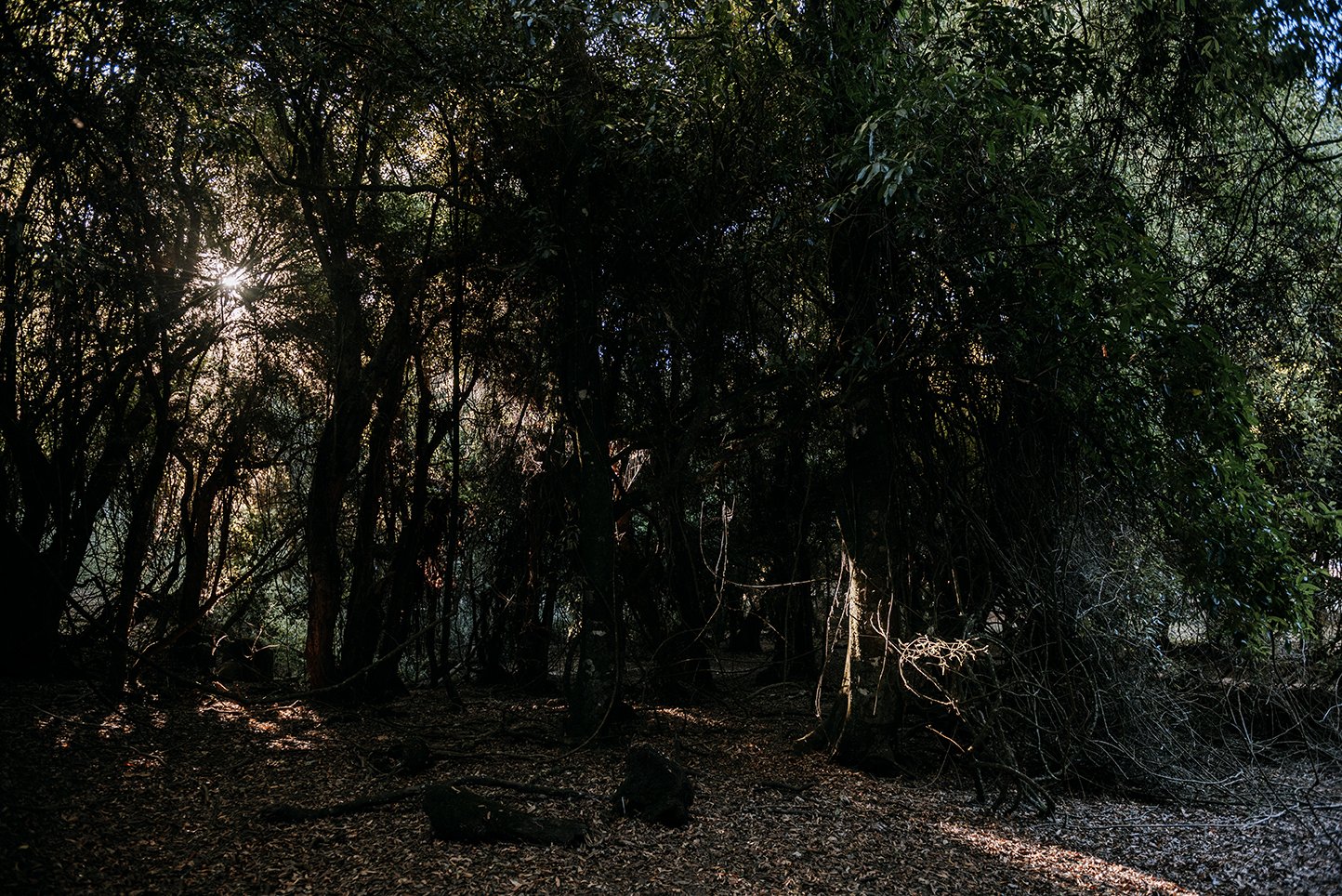
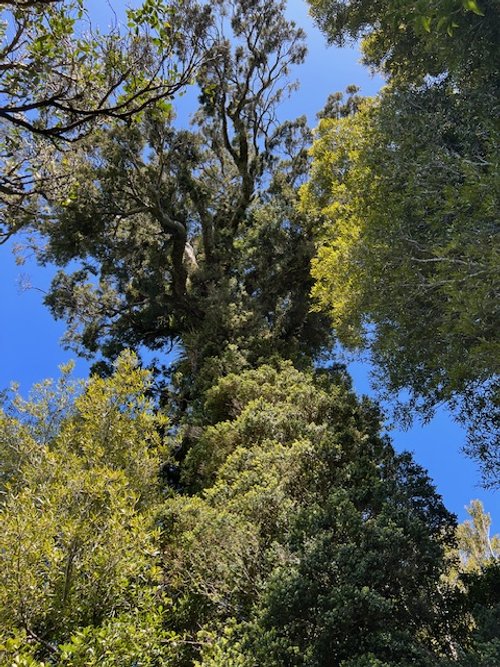
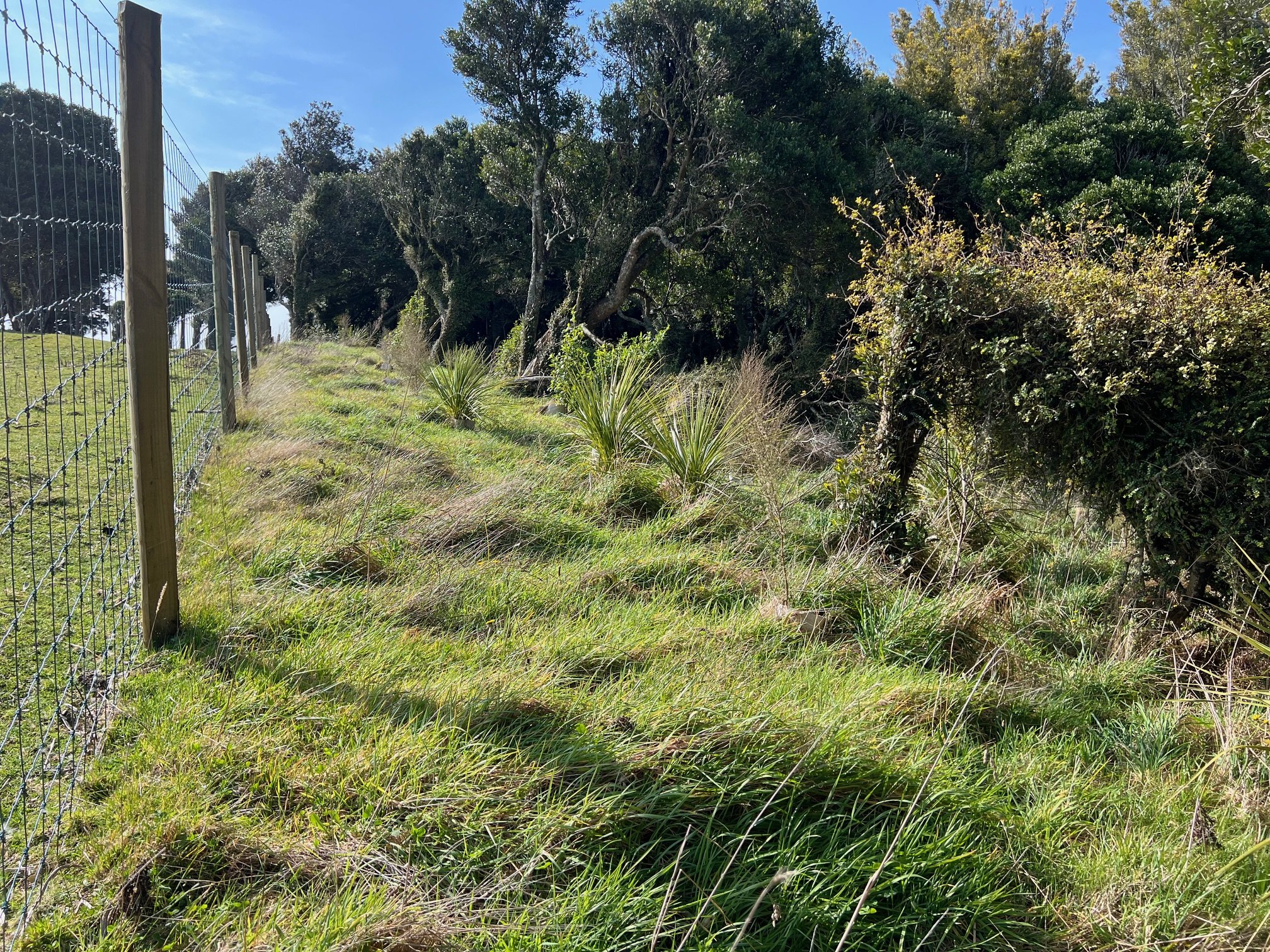
In 2022, with support from the Hawke's Bay Regional Council and QEII National Trust, we dedicated 13.5 hectares of our farm to preserve 'Te Aratipi Bush,' a key remnant of native bush on the Maraetōtara Plateau. This area, one of the most valuable on the plateau, was fenced off, stock removed, pest control implemented, and native plants established.
Our commitment reflects our dedication to preserving our land's natural heritage and creating a lasting legacy. By conserving this unique ecosystem, we aim to ensure future generations benefit from its biodiversity and play a vital role in protecting endangered species.
Native Flora: Supplejack, Kawakawa, Pigeonwood, Mahoe, Titoki, Rimu, Tawa, Rewarewa.
Native Fauna: Rifleman, Tui, Woodpigeon, North Island Robin, Long-tailed bats, and various endemic geckos and skinks.
Eastern and Western Bush Conservation and Wetland Restoration
In February 2025, we completed a QEII Covenant protecting the Eastern and Western Bush blocks at Te Aratipi.
Delivered in partnership with the Hawke's Bay Regional Council, QEII National Trust, and the Waingōngoro Awa Charitable Trust, the project permanently safeguards native bush and a spring-fed wetland at the headwaters of the Waingōngoro Stream.
Previously grazed, the area has now been fenced, planted, and left to regenerate naturally. This work is already strengthening the native understorey, supporting canopy health, and restoring the wetland’s vital role in improving downstream water quality.
The Waingōngoro River holds deep cultural and spiritual importance for local Māori, yet has faced declining water quality over time. With ongoing support, we’re helping return this awa and its surrounding ngahere to long-term ecological health.
Green projects on the go…
Maraetotara Tree Trust
The Maraetotara Tree Trust is committed to restoring the 43km Maraetotara River, from the Maraetotara Valley to Te Awanga beach in Hawke’s Bay. Since 2002, in partnership with the Hawke's Bay Regional Council, the Trust has been removing willows, fencing riverside margins, and planting native trees grown from local seeds and cuttings.
The vision is to develop a lush, continuous corridor along the river, enhancing the ecosystem and creating habitats for native plants, birds, and wildlife. Historically, the river suffered from livestock pollution, willow infestation, and neglected margins. Thanks to the Trust’s efforts, the river is now showing signs of revival, with improved water quality and biodiversity.

Ongoing Restoration Efforts
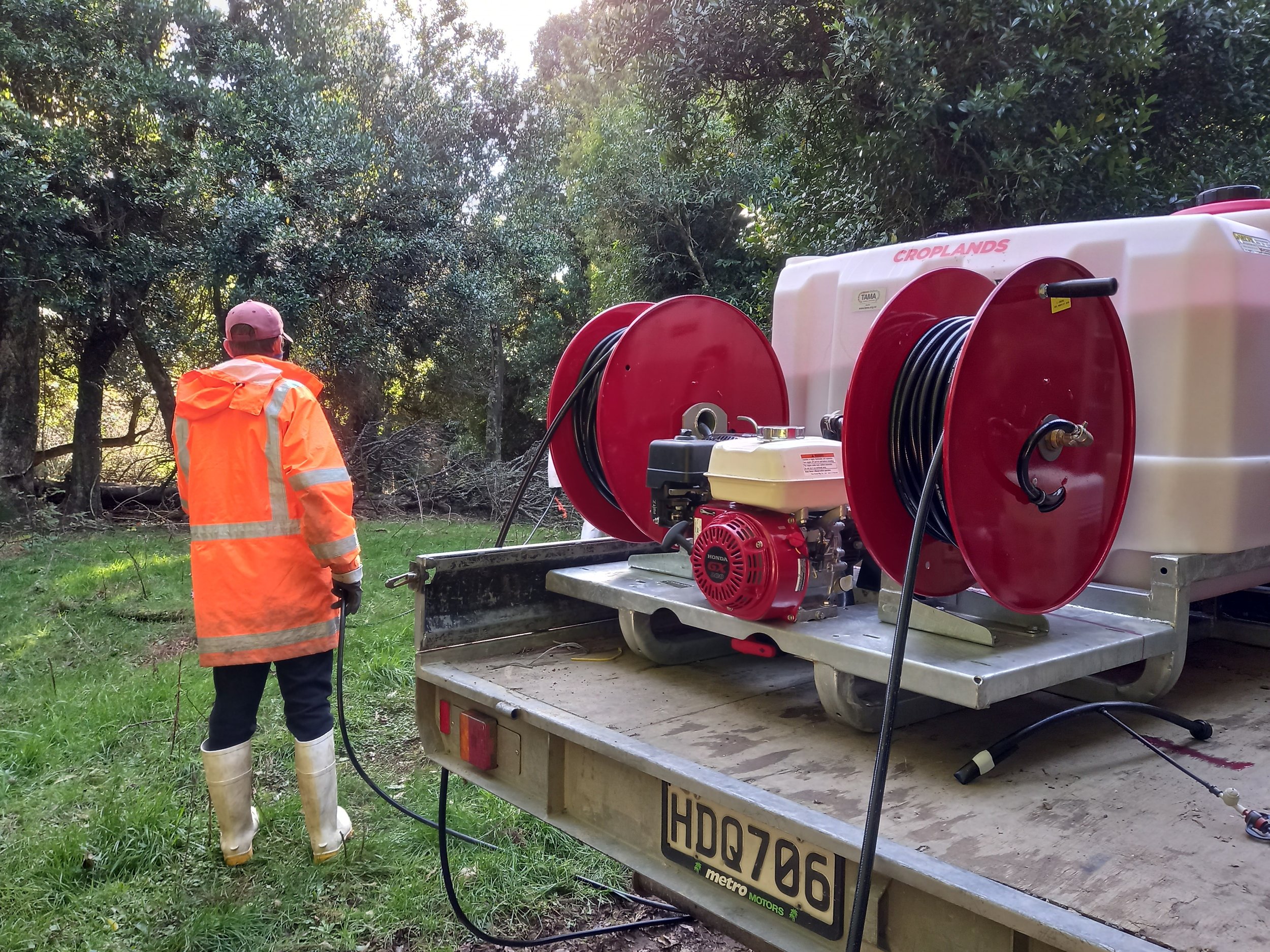
The Maraetotara Tree Trust and the community are enthusiastic about continuing their vital work to ensure a cleaner, greener river benefits both the local area and the broader Hawke’s Bay region. A section of the Maraetotara River runs through our farm, where the Hawke’s Bay Regional Council has already removed and burned willows and debris, us the Lawsonianas.
With the help of HBRC this summer, we’ll be fencing off the waterway, with plans to plant native species along our stretch of the river in winter 2026. This initiative will contribute to the Trust’s vision of a thriving, continuous riparian corridor.
Green projects on the go…
Trees That Count is a New Zealand-based initiative focused on planting and protecting native trees to restore the country's natural ecosystems. The platform allows individuals, schools, businesses, and organizations to donate trees, with each donation supporting the planting of native species that help fight climate change, improve biodiversity, and enhance the environment. It's a simple way for people to take action towards a greener, more sustainable future by contributing to large-scale conservation efforts across New Zealand.
We are thrilled to announce that Trees That Count is generously providing us with 2,300 native trees to support the next phase of our restoration project at Te Aratipi Station.

In collaboration with the Hawke's Bay Regional Council, the Waingongoro Catchment Group, the QEII National Trust, and us (the landowners) this project will enhance the local ecosystem by planting native species to augment forest cover, restore wetlands, and protect the headwaters of the Waingongoro catchment. The area being restored is classified as Chronically Threatened, with less than 20% of its original Tawa, tīitoki, and podocarp forest remaining.
While Cyclone Gabrielle delayed progress, the project is now back on track. The trees provided by Trees That Count will be instrumental in helping us achieve our goal of restoring this vital landscape and preserving it for future generations.
For more details on the project click here.